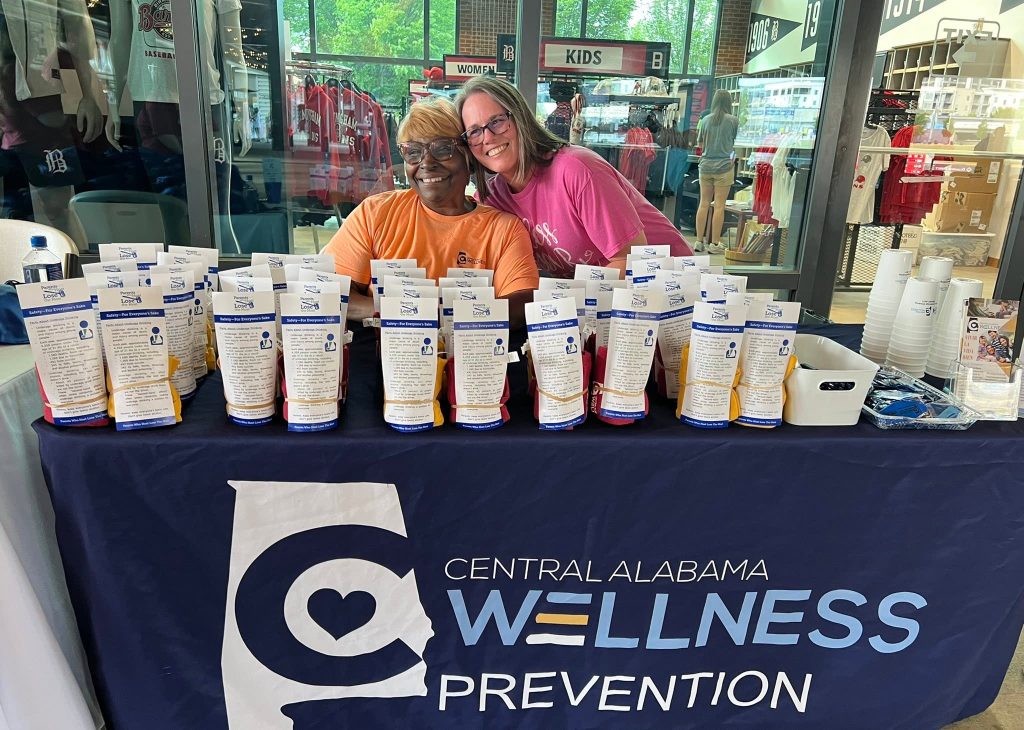
For one Central Alabama Wellness client, greater independence now means having an apartment of his own and working toward his next goal: finding job opportunities through Central Alabama Wellness’ Individual Placement and Support Program.
But getting to this point did not happen all at once.
After previously receiving services from Central Alabama Wellness, a United Way of Central Alabama (UWCA) partner agency, he needed a higher level of care to regain stability. When he was ready to return, he moved into one of the agency’s group homes through its Residential Program and continued developing the skills he would need to live more independently through the Rehabilitation Day Program
This client’s experience is but one example of the progress that the Residential Program works to make possible.
Located in the heart of the state, Central Alabama Wellness is a nonprofit organization serving communities throughout Chilton and Shelby counties. The agency provides a range of services for people of all ages, including adults with severe mental illnesses.
No matter where they begin, the focus is on helping each person gain stability, strengthen everyday skills and work toward the level of independence that is right for them.
Support Built Around Each Client
Before someone moves into a Central Alabama group home, staff members take time to learn about the person behind the diagnosis.
“We look at what they’re interested in and what type of care they need — and what level,” said Residential Coordinator Barbara Mosley. “We use that information to determine how to proceed with their care.”
Support can include individual and family counseling, medication management and assistance with medical appointments; but there is no single routine that fits everyone. On a given day, a client might attend therapy, go shopping, participate in the Rehabilitation Day Program or head to the gym. Those activities also provide opportunities to practice making decisions, following routines and taking greater responsibility for daily life.
“Our clients want to be involved in moving to the next level,” Mosley said. “They may say, ‘I want to move to my own place.’ Then we can start planning what that will look like.”
Building Connections in the Community
Living more independently involves more than managing medication, preparing meals or maintaining a home. Having opportunities to connect with other people and the community is also an important part of the process.
Mosley said access to food, clothing and community activities helps meet practical needs while giving clients opportunities to spend time outside the group home and interact with others.
“Having that socialization is very important to stability,” she said.
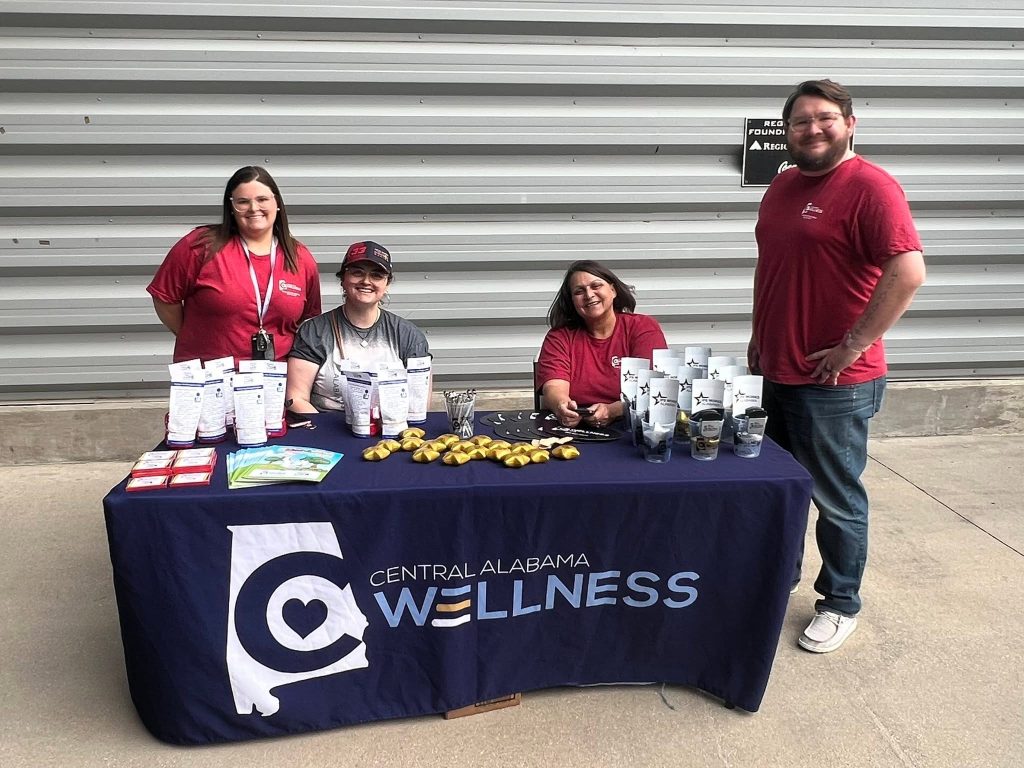
Community partnerships, including support from UWCA, help make resources and opportunities available to clients as they work toward their goals.
For Mosley, those connections can also help challenge assumptions about people living with serious mental illness.
“Their diagnosis is not who they are,” Mosley said. “We as a community can have more understanding and become more educated because this can happen to anyone at any time in their lives.”
At Central Alabama Wellness, progress is built one step at a time. Whether someone is learning to manage daily responsibilities, preparing to move into an apartment or working toward employment, each new skill can bring greater stability, choice and independence.
Click here to learn more about how United Way and its partners support mental health, housing stability and more.