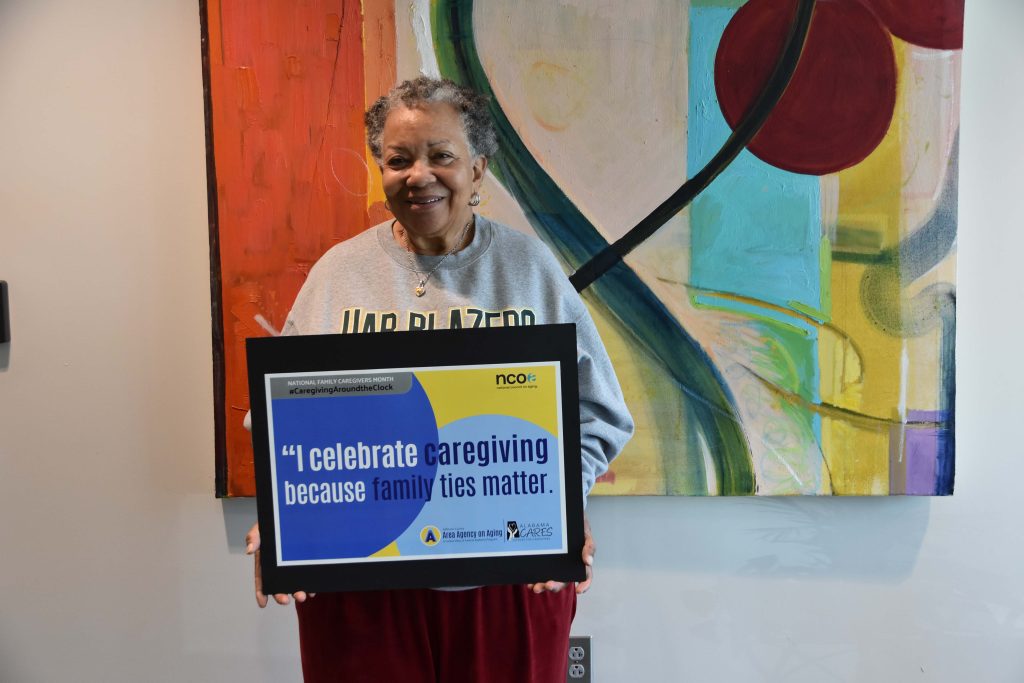
For many in Central Alabama, caring for an older loved one is a part of daily life. From assisting with everyday tasks such as grocery shopping, transportation and managing medications to providing care following a hospitalization, fall or diagnosis of a chronic health condition, caregiving can help older loved ones remain safe and independent at home. Each November, National Family Caregivers Month honors unpaid family caregivers who support aging, chronically ill or disabled loved ones.
The Caregiving Journey
Alabama Cares, a program of the United Way Area Agency on Aging (UWAAA), helps caregivers with the issues that arise from the unique responsibilities, demands and stress of caregiving. The program provides resources and services designed to support both caregivers and their loved ones. These include caregiver assessments, education, support groups, respite care, supplies and connections to other types of assistance – helping reduce caregiver stress, improve quality of life and provide practical support when it’s needed most.
Valarie Lawson, Alabama Cares Coordinator at UWAAA, said she hopes that caregivers recognize they do not have to do it all alone.
“Caregiving is often a long-term commitment, and maintaining your own physical and emotional health is essential,” said Lawson. “Taking time for regular medical appointments, getting adequate rest, staying connected with supportive friends and family and taking breaks when needed can help you remain healthy and better equipped to provide care.”
In addition to attentive self-care, Lawson said there are other steps new caregivers can take to help the process run more smoothly.
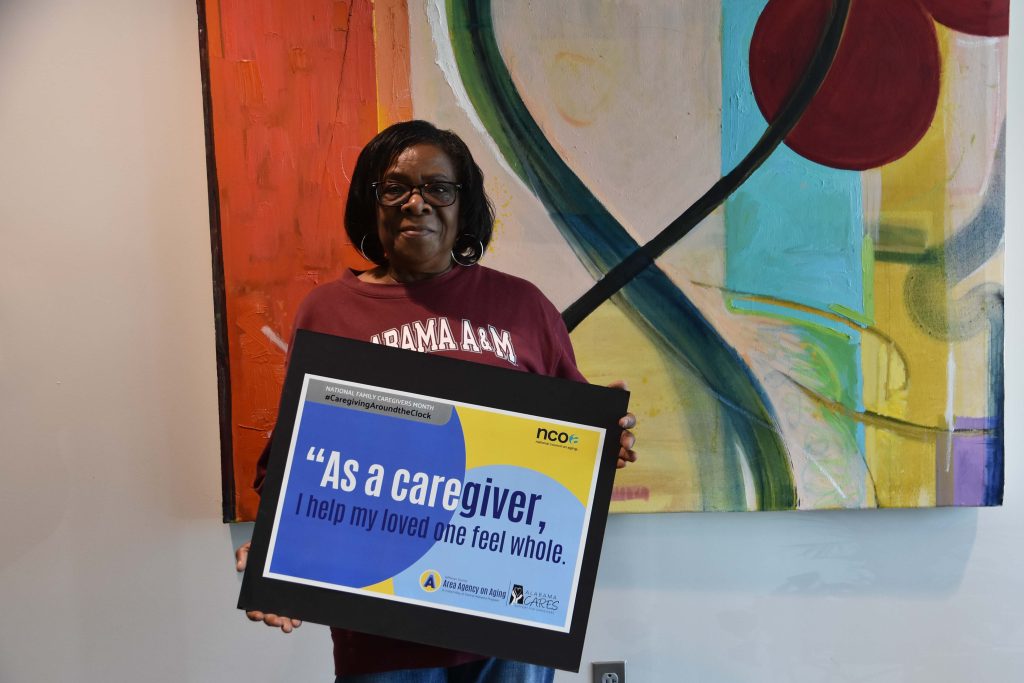
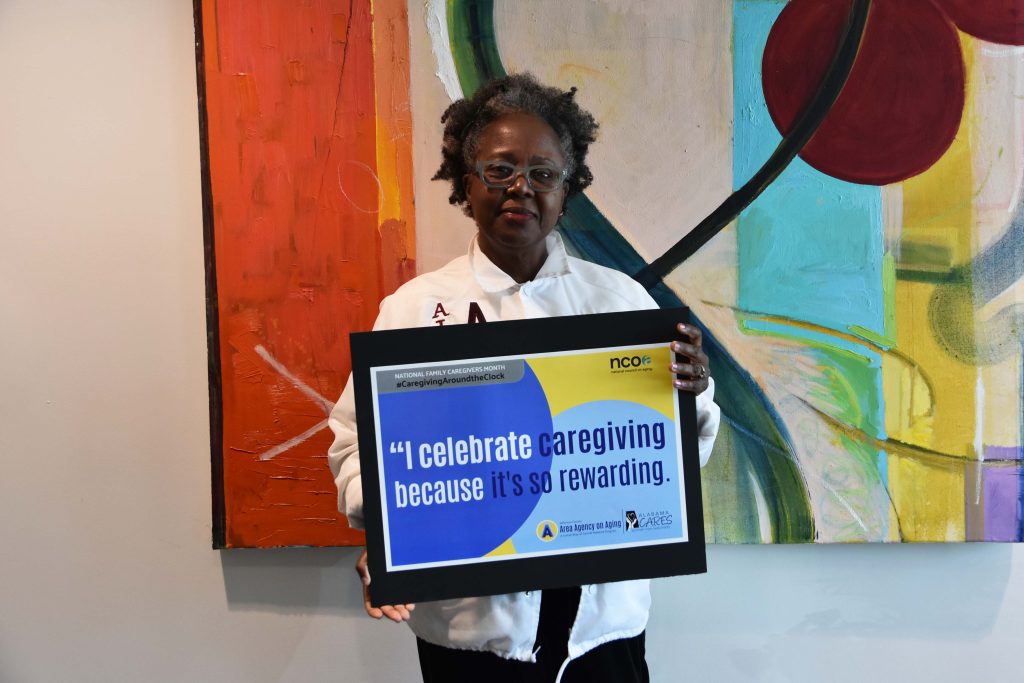
A Place to Turn for New Caregivers
To understand their loved ones’ needs, new caregivers can gather information about medical conditions, medications, healthcare providers and daily care. It may also be helpful to discuss legal and financial planning, including advance directives and powers of attorney. Building a supportive network of family, friends, healthcare professionals and community resources early on can help prevent caregiver stress and burnout. Perhaps most importantly, new caregivers can begin learning about available resources and services, such as those provided through Alabama Cares, that offer guidance and support throughout their caregiving journey.
Caring for the Caregiver
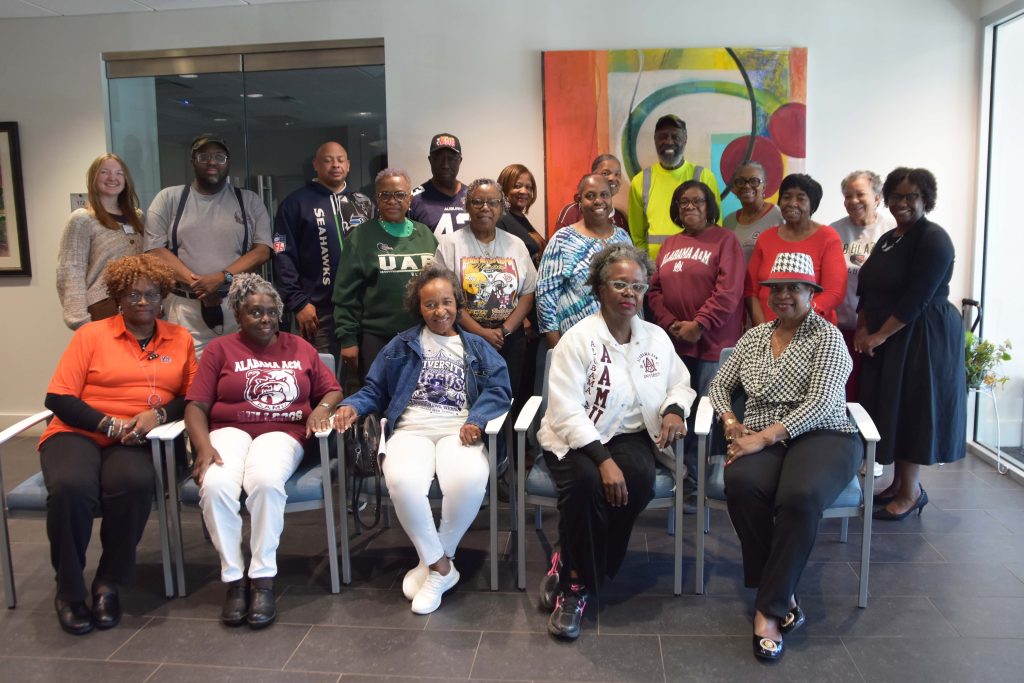
For caregivers seeking a confidential, supportive place to connect, share experiences and discuss the everyday challenges that come with caregiving, Alabama Cares offers a Caregiver Support Group. Meetings take place monthly, at no cost, in a relaxed atmosphere at United Way of Central Alabama.
Support groups provide a welcoming and judgment-free environment where caregivers can connect with others who understand the challenges of caregiving. Participants can share experiences, discuss concerns, learn practical caregiving strategies from one another and hear from guest speakers on topics such as dementia care, healthy aging, legal planning, stress management and community resources.
Lawson said one of the most common statements she hears from caregivers is, “I thought I was the only one going through this.”
In addition to the support of knowing they are not alone, participants frequently gain new caregiving ideas, learn about resources they didn’t know existed and leave feeling more confident in their ability to handle challenges. Some also develop meaningful friendships and support networks through their participation.
Caregivers can learn about upcoming support groups by visiting Caregiver Support Groups – United Way of Central Alabama or contacting the United Way Area Agency on Aging at 1-800-AGE-LINE (1-800-243-5463).
Balancing Reward and Responsibility
Caregiving can be rewarding, but the responsibility can also be physically and emotionally demanding. Caregivers should prioritize their own regular medical checkups, healthy eating, physical activity, adequate sleep and social connections. Taking breaks, accepting help from others and making time for enjoyable activities can also improve overall well-being.
If you know someone who cares for an older loved one, there are plenty of ways to remind them they are not alone. Support for a caregiver might include preparing a meal, running errands, providing transportation, helping with household tasks or staying with their loved one for a few hours so they can take a break. Emotional support in the form of a phone call or text message can also go a long way in reducing stress and preventing burnout. Caregivers often spend so much time caring for others, they forget that someone cares about them, too.
“Be patient with your loved one and with yourself,” said Lawson. “Perfection is not the goal.”
To learn more about how United Way supports seniors in Central Alabama, click here.