
Jane was homeless, without a job, haunted by previous legal issues and had just found out that she was pregnant. She was scared and desperately needed help getting her life back on track.
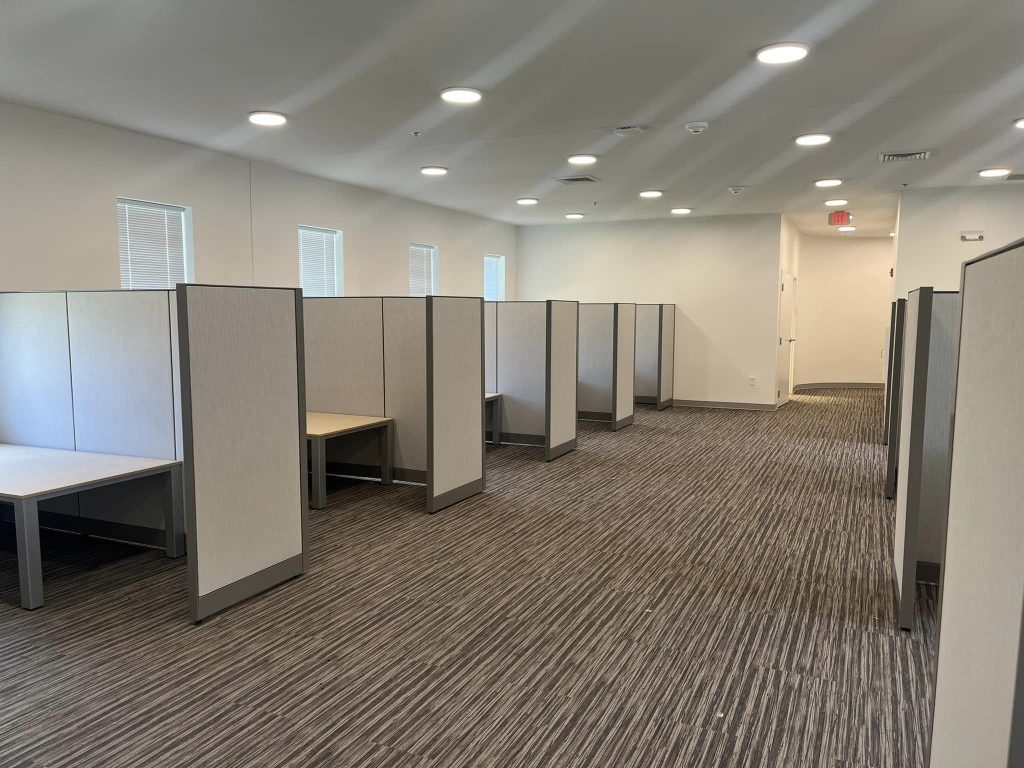
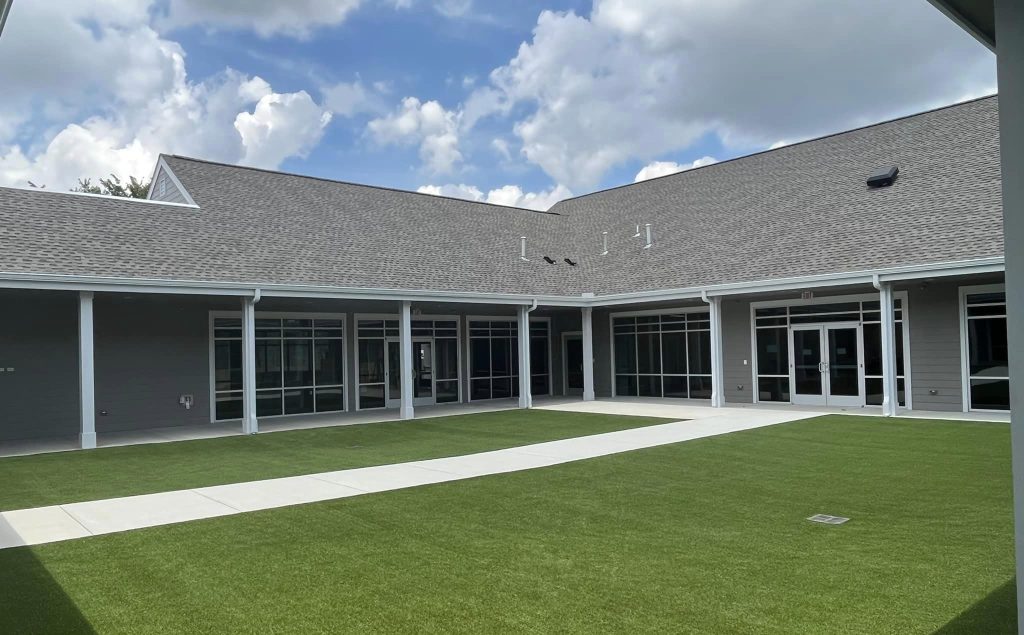
Jane found the help she needed through the Transitional Housing program at The Way Station. Located in Birmingham’s Smithfield neighborhood, the Way Station is dedicated to serving youth and people with HIV, who are experiencing homelessness, and is operated by AIDS Alabama, a United Way of Central Alabama partner agency.
Participants in the Transitional Housing program at The Way Station actively work toward self-sufficiency and permanent housing. They’re provided a temporary place to live while following a permanent housing plan developed with the guidance of a case manager. That plan includes finding employment, transportation, an agreeable landlord and place to call home – in addition to a myriad of details associated with acclimating and assimilating to everyday life.
“After coming here, Jane was able to get a vehicle, a job and all of the basic identification she had been missing,” said Jim, one of several social workers on staff at the Way Station. “I was also able to pair her with a landlord that would rent to her as long as she had a job. She’s now living there, independently, along with her young daughter.”

Jim pointed out that mental health is often the area where youth entering the program need the most help, which can be tricky because of their “survival” mindset, making it hard for them to be at ease in their new surroundings. For mental health services, AIDS Alabama refers clients to other providers, such as Alabama Regional Medical Services (ARMS) and M-Power Ministries. But, short of actual counseling services, the Way Station staff works diligently to ensure a calming environment for clients.
“The first couple of days someone is staying at the center, I’ll tell them to simply get familiar with their space,” Jim said. “‘Make your bed, put away your clothes, try to get comfortable where you are.’ Those kinds of things.”
Jim said that, typically, within two weeks of a client’s arrival, they collaborate with a case manager to create their individual plan, which is based on the client’s particular needs and desires, as well as the results of a psychosocial assessment. The case plan is different for everyone. It serves as a guide for the next 90 days, at which point the client and case manager evaluate progress and work on another 90-day plan with the ultimate goal of permanent housing and stability.
“Sometimes I tell clients, ‘The goal is for you to forget the Way Station, to forget this ever happened,’” Jim said. “Really, you want to be able to grow from this point and not look back, at least not in a bad way.”
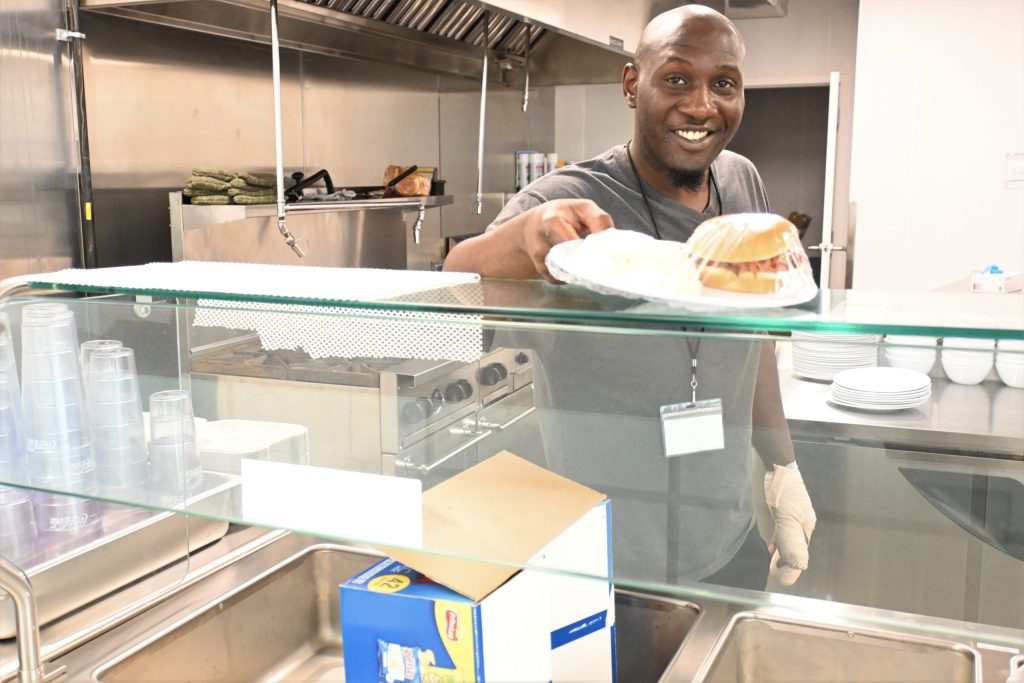
In addition to Transitional Housing, The Way Station also provides Emergency Housing services, offering overnight shelter to young people and others with HIV who are experiencing homelessness. Overnight accommodations include beds, showers, a hot meal, laundry room, clothing options and breakfast-to-go upon discharge.
Gina Mallisham, Development Director at AIDS Alabama, said support from United Way is critical to the work they do. “The support and partnership of United Way of Central Alabama is absolutely essential to the work we do at AIDS Alabama. It allows us to take a truly comprehensive approach — addressing not only healthcare, but also the root causes and social factors that impact a person’s ability to stay healthy and thrive.”
For more information about how United Way partners and programs work in Community Health & Well-Being, click here.