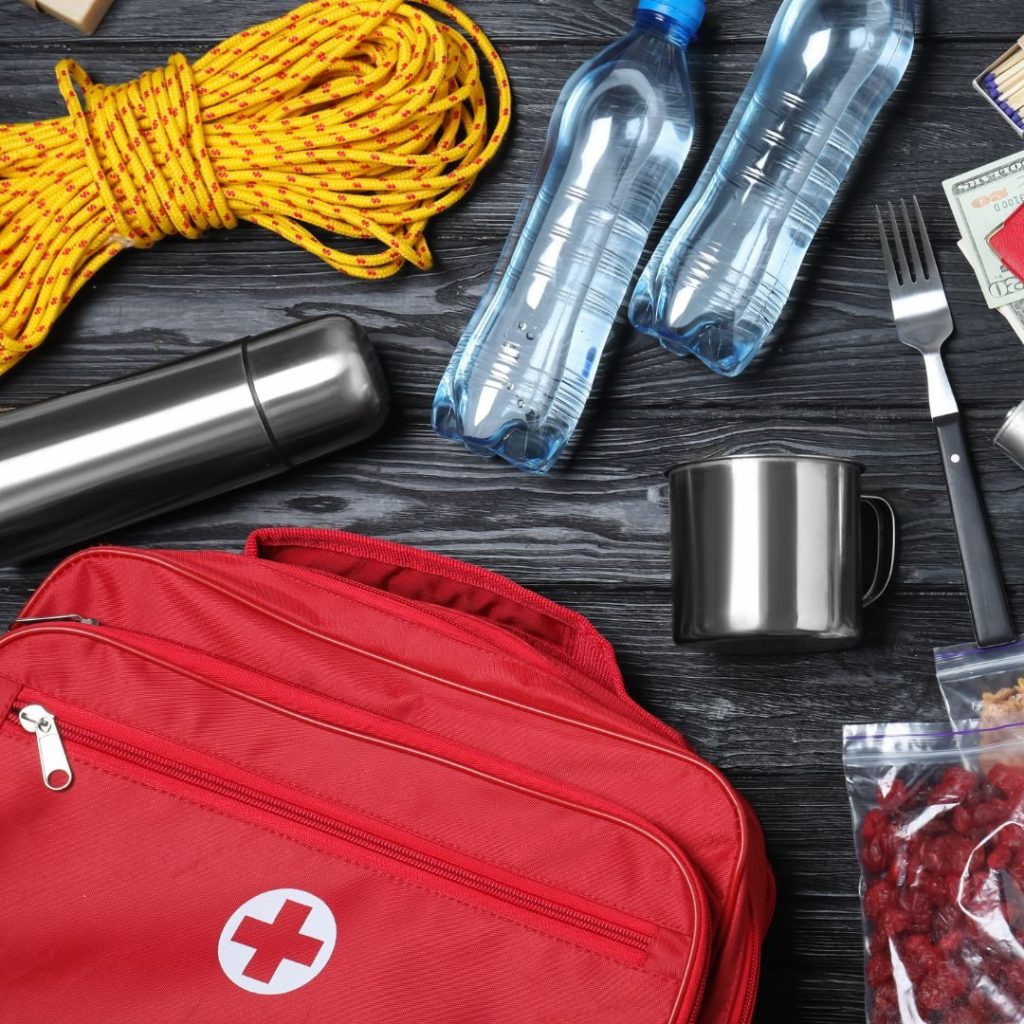
Each year, Central Alabamians are affected by the devastating effects that tornadoes leave behind. The American Red Cross Mid Alabama Chapter, a United Way of Central Alabama partner agency, stands ready with tornado preparedness advice and emergency resources for shelter, food and comfort in the aftermath of a storm.
The dangers associated with tornadoes include uprooted trees, damaged buildings, heavy rain, lightning, flash flooding and hail. But there are steps we can all take to increase our safety this tornado season.
Executive Director of the American Red Cross Mid Alabama Chapter Anne Rygiel shared why Alabamians should be prepared for tornadoes and other severe weather situations.
“In Alabama, severe weather isn’t rare — it’s part of life. Tornadoes can happen quickly, day or night, and often with very little warning. Preparation is what buys you time, clarity and control in a moment when everything else feels chaotic. It’s the difference between reacting in panic and knowing exactly what to do.”
According to Rygiel, preparedness doesn’t have to be complicated – it just needs to be intentional. Stay safe by knowing what to do before, during and after a tornado strikes.
Before a Tornado Occurs
- Know the Difference
- A Tornado Watch means tornadoes are possible in your area and you should prepare to act fast if needed.
- A Tornado Warning means a tornado is near, and you should immediately move to a safe location.
- Know Your Shelter Locations
- Find a safe room built to withstand high winds. The next best protection is a small room with no windows on the lowest level of a sturdy building.
- Mobile, manufactured, trailer homes and recreational vehicles (RVs) are not safe in high-wind events. Plan ahead by finding a sturdy building to shelter in before a tornado watch or warning.
- Stay Connected
- Sign up for free emergency alerts from your local government:
- Plan to monitor local weather and have a battery-powered radio on hand.
- Have a backup battery on hand to charge your cell phone.
- Practice Emergency Skills
- Gather Supplies
- Food, water and medicine: organize into a Go-Kit and a Stay-at-Home Kit.
- Go-Kit: at least three days of supplies that you can carry with you
- Stay-at-Home Kit: at least two weeks of supplies
- Don’t forget pets! Create a kit for furry family members to stay safe.
- Have a one-month supply of medication in a child-proof container, along with other necessary medical supplies or equipment.
- Keep personal, financial and medical records safe and easy to access.
- Food, water and medicine: organize into a Go-Kit and a Stay-at-Home Kit.
During a Tornado
- Monitor Weather Conditions
- Tune in to radio, TV or other news sources for information about Tornado Watches and Warnings.
- Seek Shelter Immediately
- Use your arms to protect your head and neck.
After a Tornado
- Clean Up Safely
- Wear thick-soled shoes, long pants and work gloves to reduce the risk of injury.
- Children should not participate in disaster cleanup work.
- If you are without power, use flashlights or battery-powered lanterns to reduce the risk of fire.
- Be aware of carbon monoxide poisoning. Do not use gasoline, propane, natural gas or charcoal-burning devices inside a home, basement, garage, tent or camper. If you feel sick, dizzy or weak, get to fresh air immediately.
- Treat Injuries
- Provide first aid as needed.
- Do not attempt to move a person with a back or neck injury unless they are in immediate danger; seek medical assistance.
- Care for Yourself
- Eat healthy food and get plenty of sleep.
- Contact the Disaster Distress Helpline if you need someone to talk to. Call or text 1-800-985-5990.
Ways to Help
According to Rygiel, you don’t have to wear a vest to make a difference. Anyone can learn how to serve before an event happens by sharing preparedness information, checking on neighbors and helping them with their plan and acquiring the appropriate training.
“Preparedness works best when it’s community-driven and ongoing,” she said. “Communities recover faster when people feel informed, respected and supported before a storm ever hits.”
The American Red Cross offers educational trainings, preparedness checklists and volunteer opportunities such as providing meals, staffing shelters, helping families navigate recovery and supporting behind-the-scenes operations. For Rygiel, education, planning and community readiness are life-saving tools. The American Red Cross Mid Alabama Chapter supports the resilience of communities by matching volunteers with real needs and working with partners to spread consistent, practical information: When a tornado strikes, preparedness comes before panic.