
For many young people, the hardest part of a difficult moment is feeling like they have to face it alone.
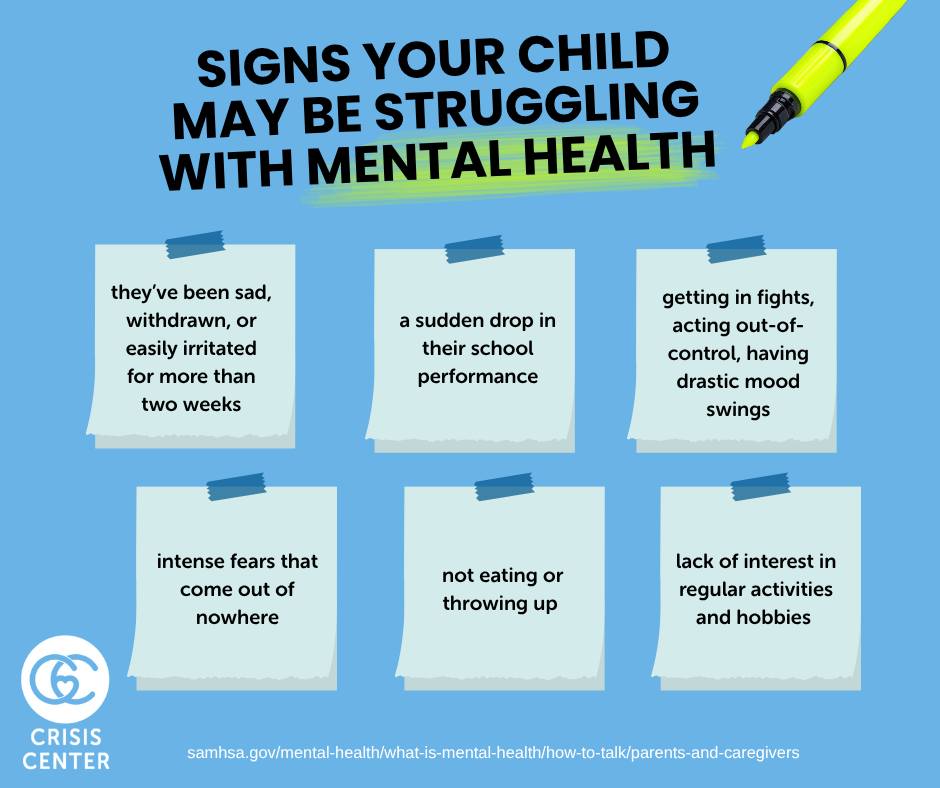
Stress at school, conflict with friends, anxiety and isolation can feel overwhelming — especially for those who do not feel comfortable opening up to parents, teachers or even close friends.
That is why Crisis Center, Inc., a United Way of Central Alabama (UWCA) partner agency, offers Youth Talk Line, a free resource available every day from 3 p.m. to 10 p.m. where young people ages 6 to 18 can call or text to connect with a trained volunteer.
“What a 13-year-old considers a crisis might look very different from what an adult considers a crisis,” said Elizabeth Theriot, Development & Communications Specialist for the Crisis Center. “But to that young person, it’s real. It matters.”
Support Starts with Listening
The Crisis Center launched Youth Talk Line in 1994 to give young people a dedicated place to reach out for support. Although technology has changed dramatically since then, the need for human connection has not.
When a young person calls or texts the line, volunteers focus first on helping them feel comfortable enough to open up.
“A lot of times young people are used to adults talking at them instead of listening to them,” Theriot said. “We want them to feel like they are part of the process.”
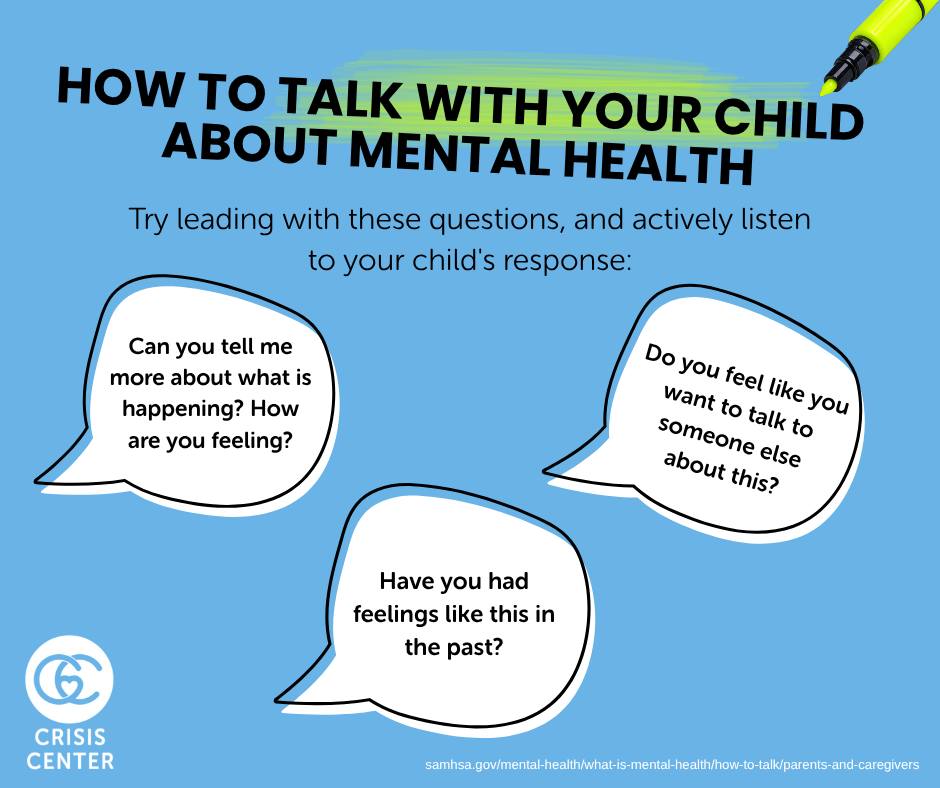
Volunteers use active listening, open-ended questions and collaborative problem-solving to help callers process what they are feeling. Instead of immediately telling young people what they should do, volunteers help them think through coping strategies, support systems and realistic next steps.
“It’s about helping them feel empowered,” Theriot said. “Helping them realize they do have tools and they do have options.”
Crisis Center Brings Support into the Community
Mental health conversations still carry stigma, especially for young people who may fear judgment, dismissal or punishment for speaking honestly about what they are experiencing.
Because of that, the Crisis Center works throughout the community to help young people learn about Youth Talk Line before they ever need it. Staff members partner with schools, libraries, community events and local organizations to spread awareness.
The agency also has a Teen Board made up of middle and high school students who help educate their peers about the resource. For many young people, simply knowing someone is willing to listen can make an overwhelming moment feel a little less lonely.
“Young people are struggling right now,” Theriot said. “They need support. They need to be heard.”