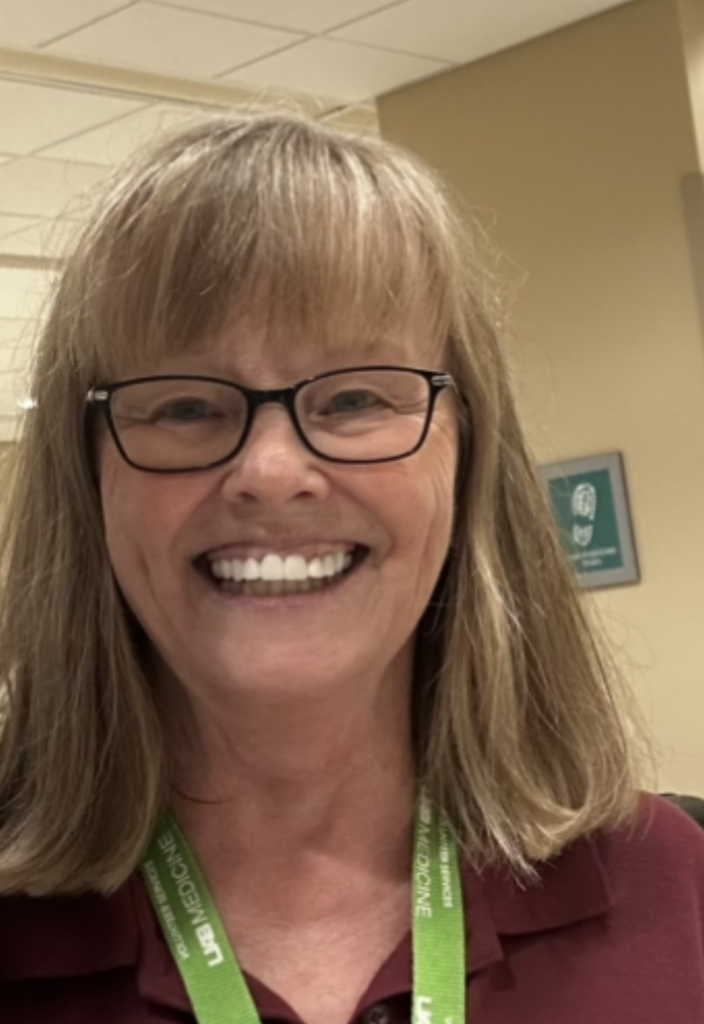
After her husband’s cancer diagnosis, Kathy Young wasn’t sure what to expect, including how they would manage travel and accommodations during his treatment. But when a doctor at The University of Alabama at Birmingham (UAB) referred them to American Cancer Society Hope Lodge, they quickly found comfort and support during an uncertain time.
They were among thousands of families who seek cancer treatment in Central Alabama each year. UAB alone treats about 5,000 patients a year. And for many who come for outpatient services, it requires frequent visits that can be physically and financially draining.
That can make finding a place to stay another source of stress for cancer patients and their caregivers, during an already-trying time. But the American Cancer Society (ACS) Hope Lodge program (consisting of more than 30 facilities nationwide) lightens the burden on families undergoing treatment.
A Home Away from Home During Treatment
“It was a blessing for us to be just a few blocks away from the hospital,” Kathy said. Her husband needed daily outpatient treatment for 12 weeks, and their home in Oneonta was too far for a daily commute. “It made everything easier.”
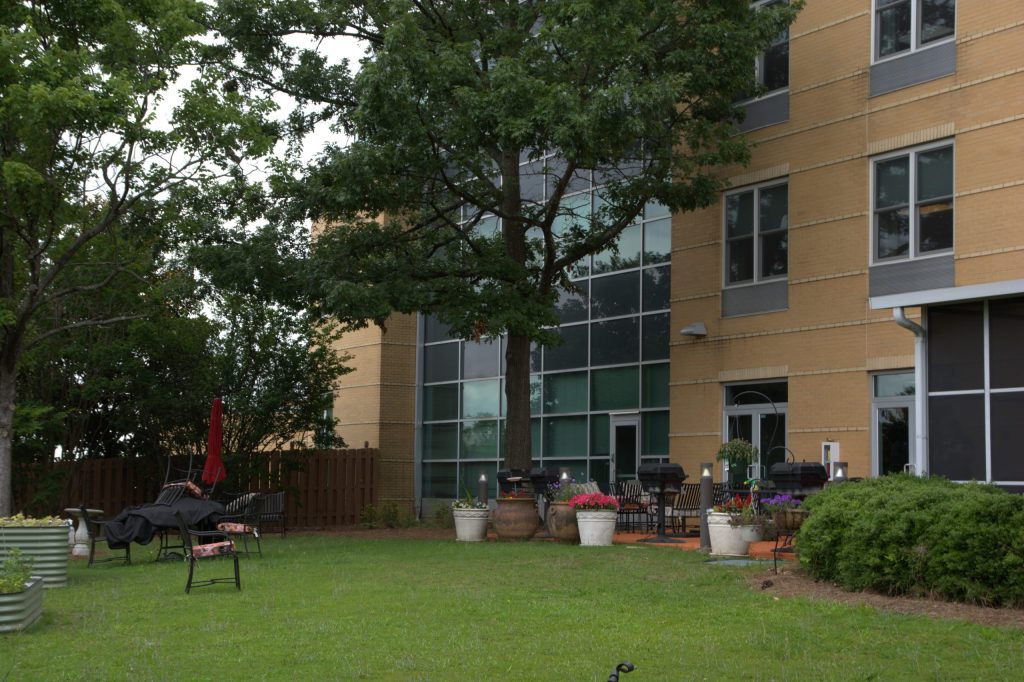
In Birmingham, the Joe Lee Griffin Hope Lodge – located on the Southside and named in honor of longtime ACS supporter Joe Lee Griffin – has welcomed guests for 25 years. It features 33 private guest rooms, a shared kitchen, laundry, cozy common areas and outdoor spaces where guests can relax. But what truly makes Hope Lodge stand out is its atmosphere.
“When you check into a hotel, the people at the front desk may be nice, but they’re not necessarily going to go the extra mile,” said Maryhelen Kirkpatrick, Alabama’s Executive Director for the American Cancer Society. “Here, the staff and volunteers are more like family.”
That was certainly true for Kathy. “We got very attached to the other patients during our stay,” she said. “It became more like family. People really pampered us.” Local churches, civic groups and even school home economics departments brought in meals regularly. Kathy still keeps in touch with several former guests, and many families have stayed connected even after losing loved ones.


Kathy’s Driven to Make a Difference
Her husband has since passed away, but Kathy wanted to give back to the place that supported them in such a helpful and meaningful way. When she saw a Facebook post looking for shuttle drivers, she signed up right away.
Now, every Monday for the past year and a half, she has driven patients to and from appointments. It’s her only day off from running the consignment store she has owned for 26 years. “A lot of people aren’t familiar with Birmingham,” she said. “Parking is expensive and confusing. And when you’re sick, you don’t always feel like driving. I just enjoy being able to help someone the way I was once helped.”
More than just transportation, she offers support, knowing what it’s like to be on the patient side of things.
“A patient mentioned once that she wished she had a heating pad for her pain,” Kathy said. “So, I bought her one. She tried to repay me, but I said, ‘This is my ministry. You needed it. I could get it.’”
Kathy’s story is one of many at Hope Lodge, where care, connection and compassion continue long after treatment ends.