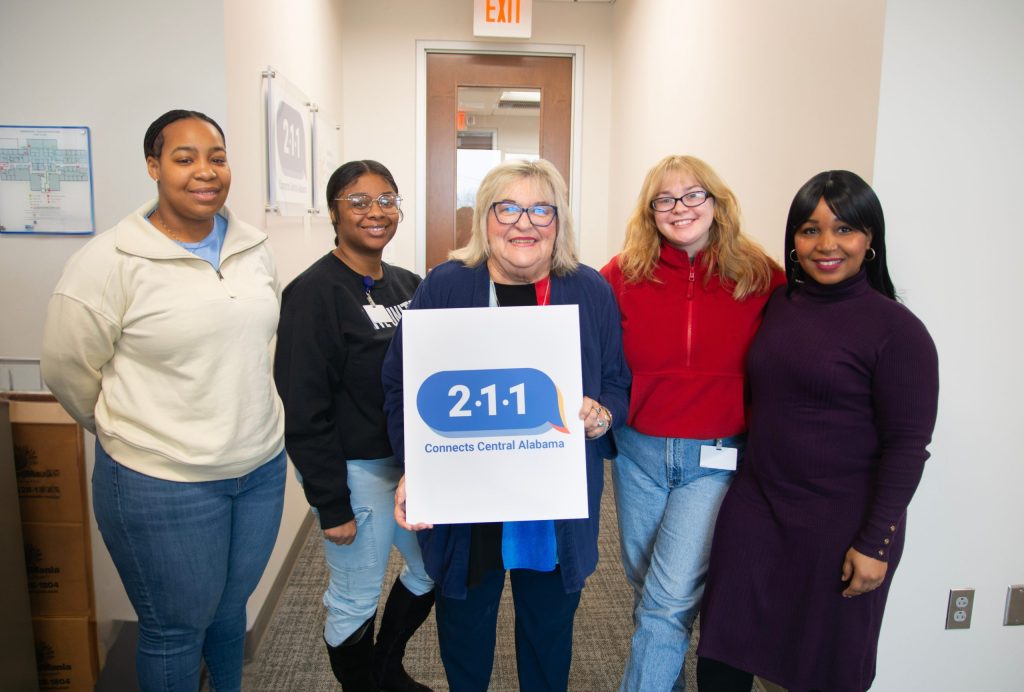

On February 11th (2/11) — also known as 211 Day — communities across the country recognize three simple digits that play a critical role in helping people meet their basic needs.
And while 211 may look like just a number, for tens of thousands of neighbors each year, it’s the first step toward help when life feels uncertain.
In those difficult moments, knowing where to turn matters. With one call, text or online search, United Way of Central Alabama’s (UWCA) 211 Information and Referral Line connects individuals and families to food, housing, mental health care and other essential resources.
The service is free, confidential and available 24 hours a day, seven days a week.
“To be able to assist callers, help the community and give back is just a wonderful thing.”
Bobbie Cole
A Listening Ear, 24 Hours a Day
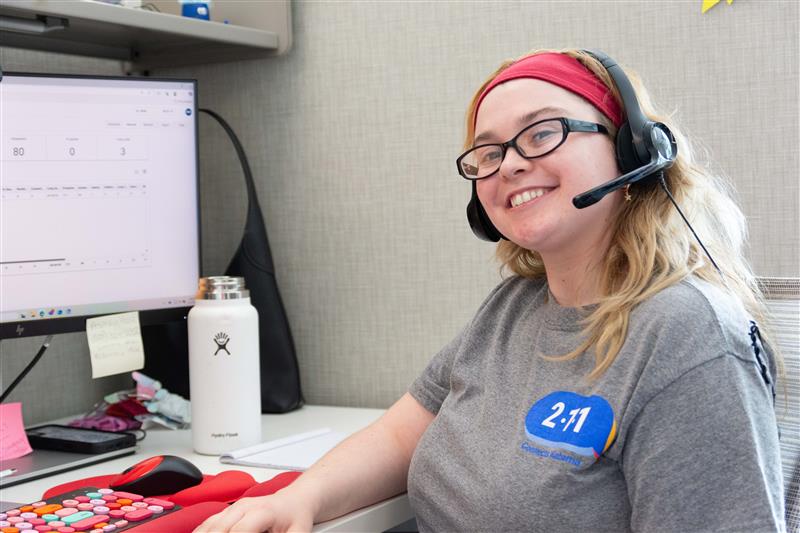
Behind every 211 call is a trained specialist ready to listen and help. These specialists are the heart of the service — offering compassion and direction in moments when people feel unsure or afraid of what comes next.
“Being a 211 call specialist means being a person who has the patience to listen, the expertise to find the right resources and the courage to advocate for those who may not be able to speak for themselves,” said Shanita White-King, 211 Program Director in United Way’s Community Initiatives department.
“Bridging the gap between needs and resources, big or small is extremely rewarding.”
That support is needed every day. In 2025 alone, United Way’s 211 Call Center answered 63,627 calls and texts and provided 92,908 referrals to community resources.
“Being a 211 specialist is extremely rewarding. I am lucky that every day when I leave work, I know that I have helped at least one person improve whatever situation life has handed them.”
Michaela McElderry
What Neighbors Need Most
The reasons people contact 211 reflect the everyday challenges faced by families across our community. In 2025, the most common needs included:
• Housing (44%).
• Utility assistance (34%).
• Transportation (11%).
Each call begins with someone searching for answers, such as:
• A parent trying to keep the heat on during a cold spell.
• A senior navigating prescription assistance.
• A young adult looking for affordable counseling.
“Being a 211 call specialist means being a dependable source of support, hope and direction for people when they need it most. Overall, it means making a meaningful impact every day — one conversation at a time — and knowing that even a short call can change someone’s situation or outlook for the better.”
Raven Coverson
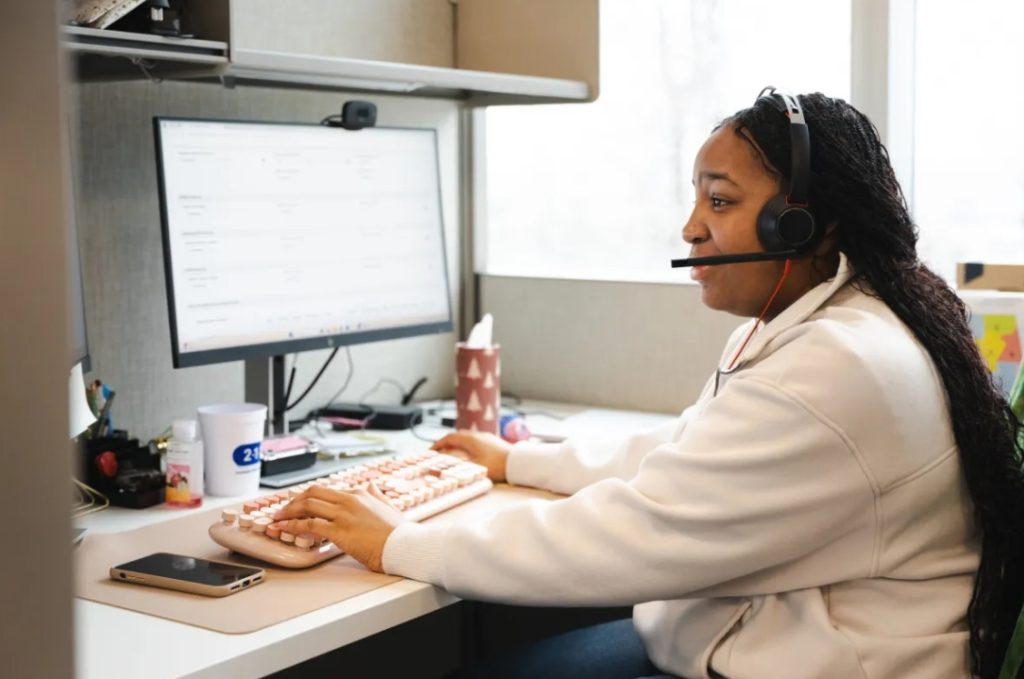
Call specialists listen carefully, assess immediate needs and look beyond a single request to understand the full picture of a caller’s situation. That perspective allows them to connect people to the right mix of support.
Through 211, call specialists often:
• Arrange free transportation for qualified individuals.
• Connect callers with home-repair organizations.
• Link eligible callers to job training, education and retention programs.
• Refer individuals to rent and utility assistance.
• Offer steady, compassionate support during moments of stress or uncertainty.
“Being a 211 specialist means providing a listening ear and guides to those who are overwhelmed.”
Ja’Caria Goodwin
211 Day is a reminder that help does not have to be complicated to be life changing. Awareness matters. When more people know about 211, more people can access support early — before a challenge becomes a crisis.